Primul tren electric nou din România a fost vandalizat la mai puțin de un an de la debutul său. Ministerul Transporturilor solicită identificarea și sancționarea făptașilor.
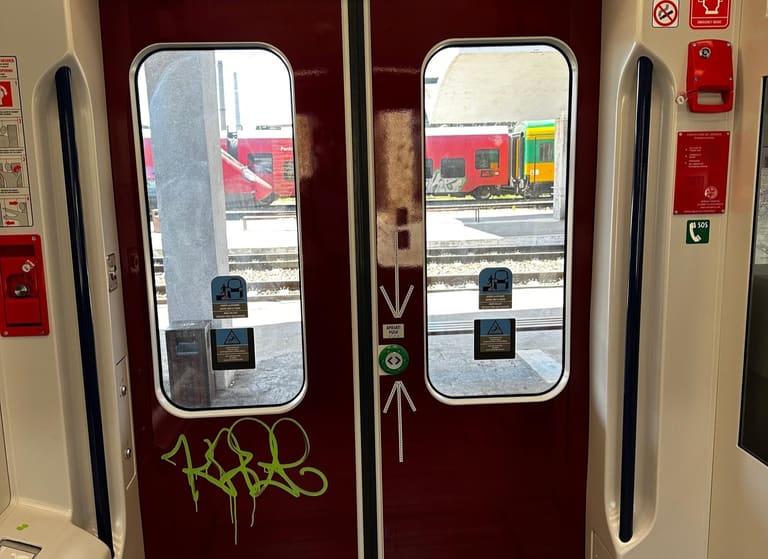
In a troubling event for Romania’s transportation sector, the country’s first new electric train has fallen victim to vandalism less than a year after entering service. This incident raises significant concerns about the safety and maintenance of public transportation assets. The electric train, which was heralded as a modern advancement in Romania’s rail infrastructure, has now been subjected to acts of defacement that undermine public trust and investment in such initiatives.
The Secretary of State has vowed to take action in response to this incident. He has stated his intention to request that relevant authorities step in to identify and penalize those responsible for the vandalism. With an emphasis on accountability, the Secretary expressed the importance of protecting public property and ensuring that such acts do not go unpunished. The vandalism of the train highlights a broader issue—how society values public transportation and infrastructure.
This unfortunate episode not only affects the physical train but also poses a threat to the future of electric trains in Romania. The government had invested considerable resources in modernizing the rail system, aiming to improve efficiency, reduce emissions, and enhance the overall travel experience for commuters. Vandalism like this sends a discouraging message about societal support for these advancements.
Public reaction to the train’s vandalism has been swift and varied. Many citizens express outrage and disappointment over the incident, viewing it as a reflection of deeper societal issues such as lack of respect for public property and community pride. Others view the vandalism as an opportunity to call for increased security measures to protect such investments in the future.
The incident has sparked conversations around the need for greater public awareness regarding the value of maintaining and respecting public transportation systems. Community engagement and education initiatives may be necessary to nourish a sense of collective ownership and responsibility for public assets. Encouraging local communities to cherish and protect these resources could be part of the solution.
Furthermore, it is crucial for the government to act decisively, not only to deter similar acts of vandalism in the future but also to restore faith in the safety and viability of electric trains as a sustainable mode of transport. Transparency in handling the case, combined with visible consequences for those who commit vandalism, could serve as a strong message against such behavior.
In terms of future implications, the government must also consider how situations like this can impact funding and support for ongoing and future rail projects. Investors and stakeholders may feel hesitant to back initiatives if they believe that public assets are at risk of being targeted. As the government seeks to bolster its commitment to modernizing infrastructure, it must also develop a comprehensive strategy that includes enhancing security measures and fostering a culture of respect toward public property.
In conclusion, the vandalism of Romania’s first electric train raises multiple issues regarding public perception, accountability, and future transportation initiatives. The Secretary of State’s commitment to pursuing justice exemplifies the importance of addressing these challenges head-on, ensuring that progress in public transportation continues unimpeded and that public assets are preserved for the benefit of all citizens.
Vei vedea mai des știrile noastre în rezultatele Google.