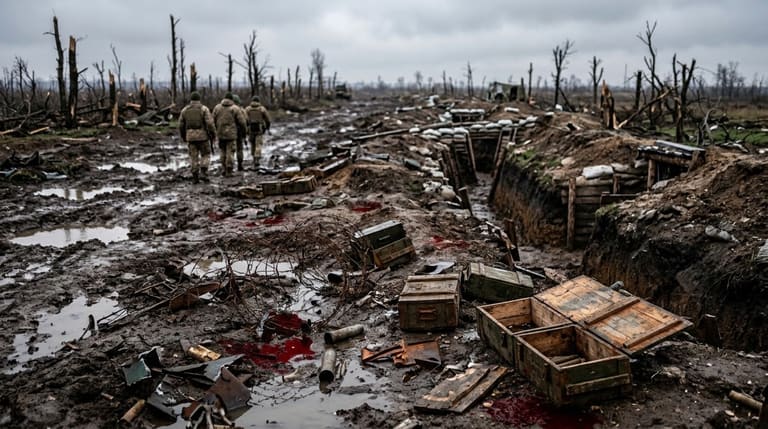
Președintele Vladimir Putin a sugerat negocieri de pace cu Ucraina bazate pe un acord abandonat în 2022.
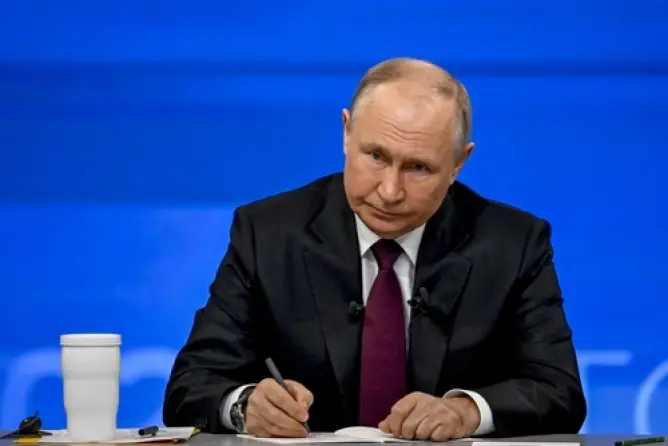
In recent developments regarding negotiations between the Kremlin and Ukraine, it has become clear that Russia plans to revisit a draft agreement from 2022, which was ultimately shelved. This decision carries significant implications for the ongoing conflict and diplomatic relations between the two nations.
The original draft agreement, which was never finalized, aimed to address several critical issues stemming from the escalating tensions that have dominated the landscape since 2014. The 2022 proposal encompassed a range of provisions intended to facilitate a peaceful resolution, focusing on territorial integrity, security guarantees, and economic cooperation.
One of the central elements of the abandoned draft was the issue of territorial disputes, particularly concerning Crimea and the eastern regions of Ukraine, such as Donetsk and Luhansk. The Kremlin has long asserted its claims over these areas, citing historical ties and the outcomes of contentious referenda. Conversely, Ukraine maintains that these territories are integral parts of its sovereign state, highlighting international law and previous agreements that recognize Ukraine’s borders as inviolable.
In addition to territorial integrity, the draft also sought to establish frameworks for disarmament and the withdrawal of foreign troops from conflict zones. This aspect was crucial in addressing security concerns from both sides, as Ukraine has consistently expressed the need for a demilitarized zone to prevent further aggressions. Russia, on the other hand, has demanded assurances that its security interests would be safeguarded in any future arrangements.
Economic cooperation was another pivotal point in the negotiations. The document proposed initiatives to enhance trade relations and develop joint projects aimed at stabilizing the region economically. Given the economic hardships exacerbated by the ongoing conflict, both nations could benefit from collaborative efforts to restore stability. Energy cooperation was a particularly sensitive issue, given Ukraine’s role as a transit country for Russian gas exports to Europe. Any agreement could potentially reshape the dynamics of energy flow and pricing in the region.
The Kremlin’s decision to revisit the 2022 draft signals a possible shift in strategy, possibly reflecting a recognition of the stalemate current negotiations have encountered. However, the challenges are far from over. Significant distrust remains between the two nations, and the geopolitical landscape has evolved dramatically since the original proposal was drafted. The reintroduction of a previously abandoned agreement might prompt skepticism from Ukraine and its allies, particularly the United States and European nations that support Ukraine’s sovereignty and territorial integrity.
Furthermore, any renewed dialogue would need to address the broader implications of international sanctions imposed on Russia in response to its actions in Ukraine. These sanctions have not only affected Russia’s economy but have also influenced its position in negotiations. Any proposals moving forward will likely require creative solutions that balance the interests of both sides while adhering to the principles of international law.
As the situation develops, it will be essential for all parties involved to consider the potential ramifications of revisiting past proposals. The outcome of these negotiations could not only shape the future of Ukraine but also influence the security architecture of Europe for years to come. The international community will be watching closely, advocating for a resolution that upholds peace, stability, and respect for national sovereignty. The path forward remains complex, but open dialogue is a necessary step towards finding a sustainable resolution to the conflict.
Vei vedea mai des știrile noastre în rezultatele Google.