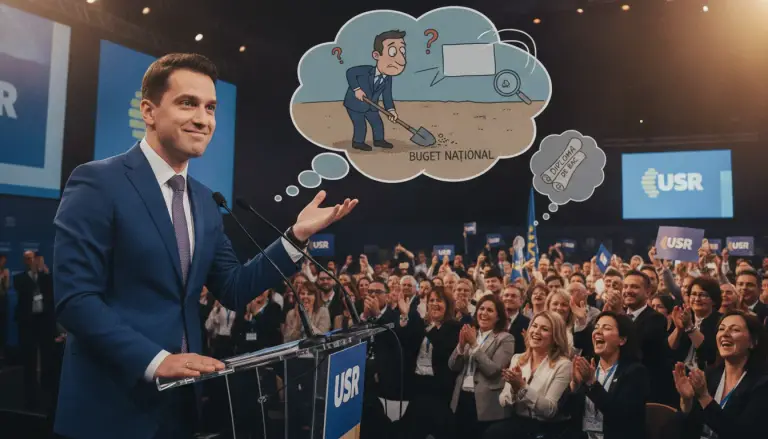
Declarațiile contradictorii ale lui Klaus Iohannis care îl sprijină pe Nicușor Dan generează acuzații de manipulare electorală
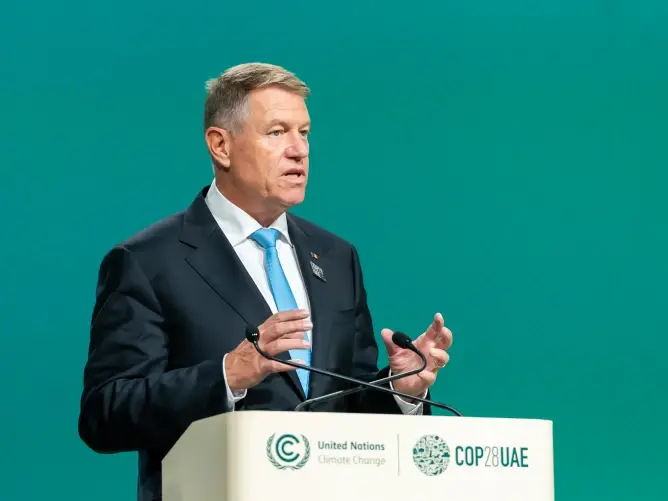
The Political Landscape in Bucharest: A Closer Look
In the bustling streets of Bucharest, vibrant flyers featuring Klaus Iohannis have captured the attention of passersby. A wave of controversy surrounds these materials as claims of inauthenticity swirl: "They’re fake, they’re fake!" This phrase echoes throughout the capital, encapsulating the dynamic and often chaotic atmosphere of contemporary Romanian politics. As the electoral season heats up, such conflicts illustrate the deep divisions and passionate sentiments among political supporters and detractors alike.
Nicușor Dan, a key figure in this electoral saga, has emerged as a prominent candidate, with a staunch base of supporters rallying behind him. His affiliation with Iohannis, Romania’s President, is a double-edged sword. While Iohannis brings a certain level of recognition and credibility, the claims of misleading materials threaten to undermine this association. The political landscape in Romania is characterized by fierce rivalries and an array of misinformation, making it crucial for voters to navigate through the noise.
The proliferation of these flyers reveals a strategic as well as desperate approach as election day approaches. Campaigns increasingly employ visual media to reach voters, particularly in urban centers where information spreads quickly. However, the line between legitimate support and deceitful tactics becomes blurred, raising questions about the integrity of the electoral process. It is essential to consider how misinformation can shape perceptions and alter the course of political discourse in Romania.
The tension in Bucharest reflects broader national sentiments. As the country grapples with economic challenges and social issues, candidates are under immense pressure to present solutions. Voters are not just looking for effective policies; they seek genuine authenticity from their representatives. Misleading materials can thwart this authenticity, breeding distrust and skepticism among constituents.
Moreover, the electoral strategies in Romania are not merely about presenting a strong image; they also involve carefully crafted narratives. Candidates must actively engage with the electorate, listening to their concerns and demonstrating a commitment to their needs. However, the recent incidents suggest a growing tendency among some campaigners to prioritize sensationalism over substantive engagement. This approach can lead to disillusionment among voters, amplifying the sense of alienation many feel towards the political establishment.
As the situation unfolds, it becomes increasingly clear that transparency is paramount. Voters deserve to know the truth behind the materials they encounter. Strikingly, these recent controversies illuminate the need for robust electoral regulations and a vigilant media landscape dedicated to fact-checking and accountability.
Looking toward the future, the role of digital platforms in shaping electoral narratives cannot be understated. Social media serves as a powerful tool for outreach and engagement, yet it also presents challenges in terms of misinformation. Candidates must navigate this terrain carefully, ensuring their messages resonate authentically while steering clear of tactics that could backfire.
In conclusion, the political climate in Romania, reflected through the lens of Bucharest’s recent electoral activities, highlights an ongoing struggle for truth and authenticity within a highly competitive arena. As citizens prepare to make crucial decisions for their future, the demand for clarity and honesty has never been greater. It is incumbent upon all stakeholders—candidates, voters, and the media—to uphold the values of democracy and integrity as the nation moves forward in its political journey.
Vei vedea mai des știrile noastre în rezultatele Google.